Child Support Lawyers in Chicago, IL
Home / Child Support Lawyers
family law
Best Lawyers
experience
Lead Attorneys & Managing Partners


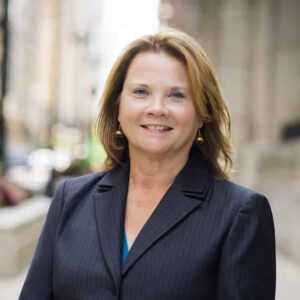
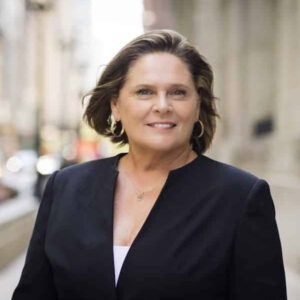
Maybe you need to establish a child support order during an Illinois divorce. Maybe an existing child support order no longer fits, or payments have stopped, or college tuition is around the corner. Whatever brought you here, the decisions you make now will affect your family for years. Anderson Boback and Marshall represents Chicago parents through every stage of a child support case under Illinois law. Family law is our only practice. We appear in Cook County courts regularly. Our attorneys bring more than twenty years of combined family law experience to every case.
How We Help Chicago Families with Child Support
At Anderson Boback and Marshall, our child support practice covers:
Setting up the first order during divorce, paternity, or post-judgment establishment.
Changing an existing order when income, the child’s needs, or the parenting arrangement shifts substantially.
Pursuing collection when payments stop, including asset discovery, license suspension, and contempt proceedings.
Section 513 petitions for tuition, fees, housing, and other qualifying expenses under Illinois law.
We handle the cases other firms find complicated, including business income, equity compensation, variable earnings, and interstate enforcement.
How Child Support is Determined in Illinois
Three pieces drive child support in Illinois: the calculation, what counts as income, and the add-on expenses.
How the Court Calculates Child Support
The framework is the Income Shares Model, set out in 750 ILCS 5/505 and in effect since July 2017. It considers both your income and your co-parent’s income, the number of children, and the parenting schedule. The basic calculation runs in four steps:
The court figures out each parent’s monthly net income.
It adds those incomes together to find the combined monthly net income.
It matches that combined income against the state schedule to find the basic child support obligation.
It splits the basic obligation between you and your co-parent based on your share of the combined income.
What Counts as Income
Wages and salary are easy. Business distributions, equity compensation, deferred compensation, bonuses, and variable income are not. If your co-parent’s income is not a paycheck, the determination becomes a documentation case. That is where we add value.
Healthcare, Childcare, and Other Add-Ons
Healthcare premiums, work-related child care, and certain extracurricular and educational costs add to the basic obligation. The court can also depart from the guideline when the facts make it unfair.
Does Shared Parenting Time Reduce Child Support?
Illinois treats your case as shared parenting when each parent has the child for 146 or more overnights per year. The statute is 750 ILCS 5/505(a)(3.8). The support determination adjusts to reflect both households carrying the day-to-day costs of raising the child. The Income Shares framework still applies. The basic obligation is recalculated to account for the shared schedule. Whether 50/50 parenting works in your child’s best interest depends on the facts. Illinois has a broader framework for allocating parental responsibilities that runs alongside the support determination.
In these cases, the negotiation is almost never about the formula. It is about the inputs: actual parenting time, accurate income characterization, and the costs each parent carries directly. We handle the inputs that move the number.
The negotiation is rarely about the formula. It is about the inputs.
Modifying a Child Support Order in Illinois
Life changes. Income changes. Your child grows. If your circumstances have shifted enough, the court will modify the existing order. The legal standard is a substantial change in circumstances. That usually means a meaningful change in income, the child’s needs, or the parenting arrangement.
Why the Filing Date Matters in a Child Support Modification
An increase in support can be retroactive to the date the petition is filed. A decrease is generally not retroactive; it takes effect on the date of the new order. If your income has dropped and you need a downward modification, file quickly. The filing date is the date that protects you. We counsel clients to act quickly when circumstances change, not to wait and see what happens.
What Does Not Qualify as a Substantial Change
A change in the statute itself does not qualify. Your ex remarrying does not, on its own, qualify. Voluntarily reducing your income does not qualify. Cases turn on what counts and what does not. We handle both sides: the parent seeking the change and the parent opposing it.
Your Options When Your Co-Parent Stops Paying: Child Support Enforcement
If your co-parent stops paying, you have real options. An income withholding order attaches the support payment directly to your co-parent’s wages. Payments flow through the Illinois State Disbursement Unit. The Unit keeps a record of what has been paid and what is owed.
When wage withholding is not enough, the court has more tools. It can suspend a driver’s license or professional license. It can report the obligation to credit reporting agencies. It can intercept federal and state tax refunds. In serious cases, it can hold your co-parent in contempt of court. Illinois eliminated the automatic 9% annual interest on past-due child support in 2024. The focus of an enforcement case today is on collection, not accumulating interest.
We handle enforcement cases where your co-parent has resources to pay but is not paying. Enforcement is part of our broader post-decree practice. That includes asset discovery, hidden assets, and interstate non-payment under UIFSA. We also pursue child support arrears when the unpaid amount has built up.
Paying for College After Divorce in Illinois
Illinois is one of the only states where a court can order divorced parents to contribute to college and educational expenses. The authority is 750 ILCS 5/513. Whether divorced parents are required to pay for college depends on the facts of each case.
Section 513 applies until the child reaches age 23. The court can extend it to age 25 only for good cause. The court caps the obligation at in-state tuition, fees, and housing at the University of Illinois at Urbana-Champaign. Good cause can change that ceiling. The court considers tuition, fees, housing, books, medical expenses, and reasonable living costs. It weighs each parent’s financial situation, the child’s resources, and the family’s likely standard of living absent divorce. The obligation also ends if the child fails to maintain a C average, earns a bachelor’s degree, or marries.
We file and defend Section 513 petitions in Cook, DuPage, Lake, and Will counties. The disputes usually center on whether contribution is appropriate, how much each parent should contribute, and how payments get made. The Illinois rules around college expenses after divorce govern these cases.
Child Support for Business Owners and Self-Employed Parents
Your income may not come from a paycheck. It may come from a business you own, equity that vests over time, deferred compensation, or year-to-year variable earnings. In those cases, your child support case turns on how the income is documented. The same is true if your co-parent’s income is structured this way and you need it accurately captured.
For a payer parent, the risk is paying support on numbers that overstate what you actually earn. You can also be hit with imputed income above what you really receive. For a recipient parent, the risk runs the other way. Your co-parent may structure compensation to look smaller than it is, with a support calculation that follows the smaller number.
At Anderson Boback and Marshall, we handle the documentation that drives the number. We work through business distributions, depreciation add-backs, retained earnings, deferred compensation, RSUs and stock options, and irregular bonuses. When the case calls for it, we bring in forensic accountants, vocational experts, and financial professionals. We have argued imputed income on both sides, including against parents who are voluntarily under-earning to reduce their obligation. The same documentation work applies in high-asset cases.
The 2025 Illinois divorce law changes for business owners affect how some of these cases run. Less-obvious income sources matter too: inherited IRA distributions can count as income for support.
Our Chicagoland Family Law Court Experience in
Our attorneys are in court regularly at the Daley Center and in the Cook County family courts. We also handle cases in DuPage, Lake, and Will counties. We know the judges. We know how the calendars run. We know how child support cases actually move through these courts.
For you, that means we move efficiently. We know when to negotiate and when to litigate. We set realistic expectations about how your case will unfold in your jurisdiction.
Why Choose Anderson Boback and Marshall
Choosing a child support attorney is not about who has the most billboards. It is about depth, focus, and courtroom experience in your kind of case. Four reasons clients hire us:
Our attorneys do not split their time between car accidents and family law. We handle divorce, custody, and support every day in the Cook County family courts. That focus shapes the documentation we build. It shapes the judges we know and the opposing counsel we negotiate with regularly.
We are a boutique firm by design. You work with the attorney assigned to your matter. The full team supports that attorney when the case calls for it. No call centers and no routing through layers of staff.
Business income that has to be unpacked. Equity compensation. Hidden assets. Interstate enforcement under UIFSA. Imputed income disputes. We bring in forensic accountants, vocational experts, and financial professionals when the case calls for it. We do not pretend a case is simple when it is not.
Frequently Asked Questions About Child Support in Illinois
Does 50/50 parenting time eliminate child support in Illinois?
No. Shared parenting time changes the calculation but rarely eliminates the obligation. Illinois courts apply the Income Shares framework first. They then adjust the result to reflect both households carrying the day-to-day costs of raising the child. The higher-earning parent generally still owes support. The amount is lower than it would be under a primary-residential arrangement. The fights in these cases are usually about how parenting time is documented and counted, not the formula itself. If your co-parent is claiming overnights they do not actually exercise, Anderson Boback and Marshall handles those disputes.
What if I lose my job, can I lower my child support payment?
You can petition the court for a downward modification when your income changes substantially. The catch is timing. A decrease is not retroactive. Every day you wait, you keep paying at the old rate. File quickly. Anderson Boback and Marshall files modification petitions promptly when circumstances change. That way, the new order starts as soon as the court allows.
What does not count as a substantial change for a child support modification?
A change in the statute itself does not qualify. A new spouse’s income generally does not, on its own. Voluntarily reducing your own income does not qualify. The court is looking for a meaningful change in income, in the child’s needs, or in the parenting arrangement. Anderson Boback and Marshall counsels clients on what the court will and will not consider before they file.
What is imputed income in an Illinois child support case?
Imputed income is income the court attributes to a parent who is voluntarily unemployed or under-employed. The court uses it when a parent is gaming the calculation by reducing what they make. As of 2025, Illinois requires the court to hold an evidentiary hearing before imputing income. The court must make specific written findings about the basis. Anderson Boback and Marshall handles imputed income disputes from both sides.
My ex has assets but is not paying child support. What now?
You have escalation options beyond a wage garnishment. The court can suspend a driver’s license or professional license. It can report unpaid support to credit agencies, intercept tax refunds, and hold the obligor in contempt. It can order asset discovery when your ex is hiding income. Illinois eliminated the automatic 9% interest on past-due child support in 2024. Today’s enforcement focuses on collection, not interest accrual. Anderson Boback and Marshall handles enforcement cases where the obligor has resources but is not paying.
What if my co-parent moves out of state?
Illinois law and UIFSA give you tools to enforce a child support order across state lines. The Illinois order remains in effect. We coordinate with authorities in your co-parent’s new state to enforce it. Anderson Boback and Marshall handles interstate child support cases regularly. That includes enforcement, modification, and establishment when the parents live in different states.
My co-parent owns a business. How does the court figure out their real income?
The court looks past the W-2 to the actual economic benefit the parent receives. That can include distributions, depreciation add-backs, retained earnings, and perquisites paid through the business. These cases are documentation-intensive. They often need a forensic accountant. Anderson Boback and Marshall handles cases where income characterization is the central dispute.
How is child support handled for unmarried parents?
For unmarried parents, paternity must be established before the court can issue a child support order. Once paternity is in place, the same Income Shares framework applies. Anderson Boback and Marshall handles paternity establishment and the support orders that follow.
When does child support end in Illinois?
Child support continues until the child reaches 18. If the child is still in high school full time, support continues until age 19 or graduation, whichever comes first. Education and college support under 750 ILCS 5/513 are handled separately. Those can extend past 18 for qualifying expenses.
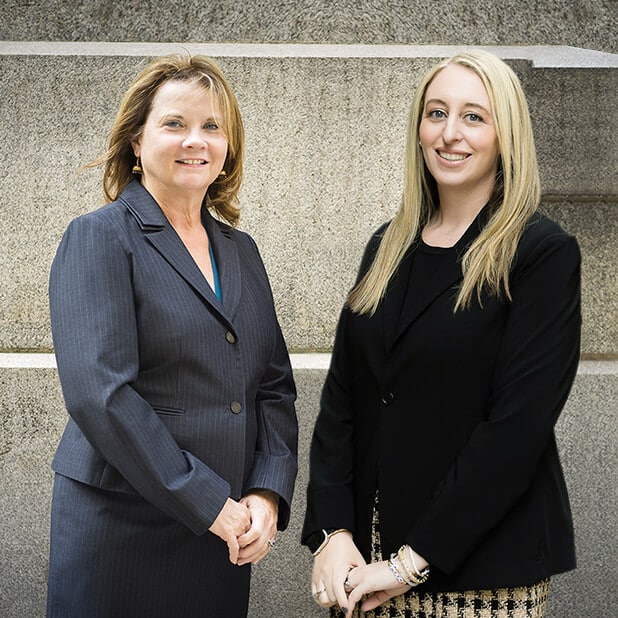
Anderson Boback & Marshall believe in upholding Illinois child support statutes by helping you to establish the fairest amount due to support your children and enforcing child support orders. Contact us today for an in-depth interview and to learn how our top-rated child support lawyers in Chicago can help you.